
Your credit score plays a major role in your financial life. It affects your ability to qualify for loans, secure favorable interest rates, rent a home, and sometimes even get approved for insurance. Understanding how credit scores work — and how to improve yours — can help you build a stronger financial future.
What Is a Credit Score?
A credit score is a three-digit number that represents your creditworthiness. Lenders use it to evaluate how likely you are to repay borrowed money. Most scores range from 300 to 850, with higher scores indicating lower risk.
General Credit Score Ranges:
- 800–850: Excellent
- 740–799: Very Good
- 670–739: Good
- 580–669: Fair
- 300–579: Poor
A higher score can mean lower interest rates, better loan terms, and more financial opportunities.
What Factors Affect Your Credit Score?
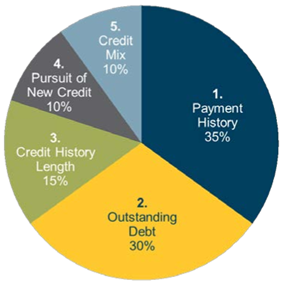
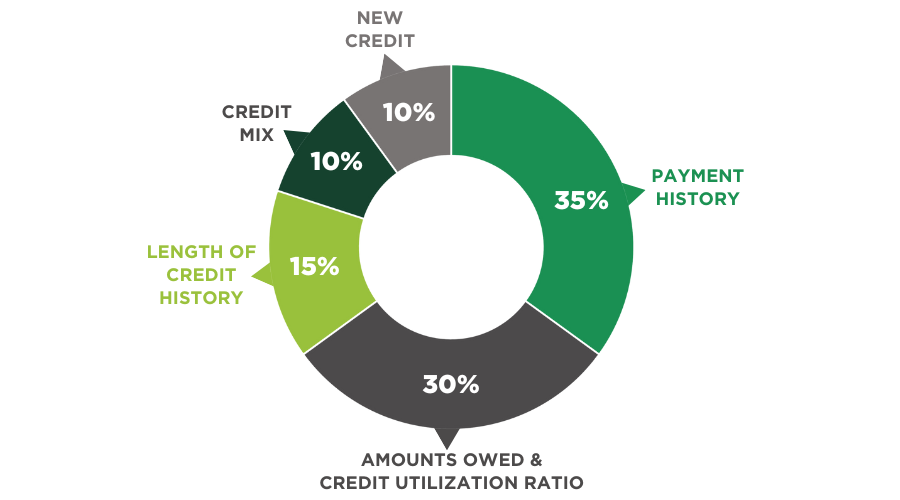
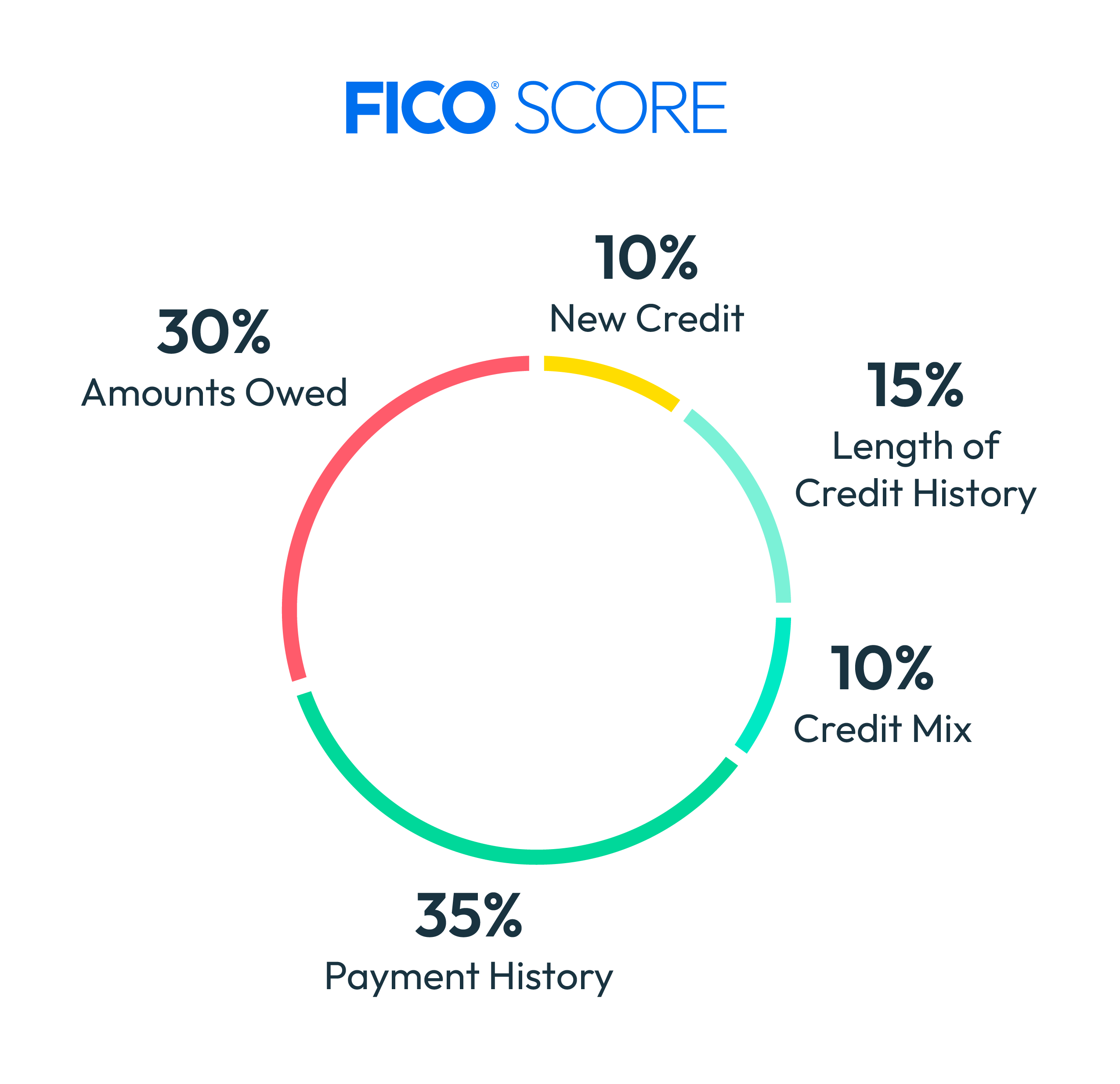
Credit scores are typically calculated using five main factors:
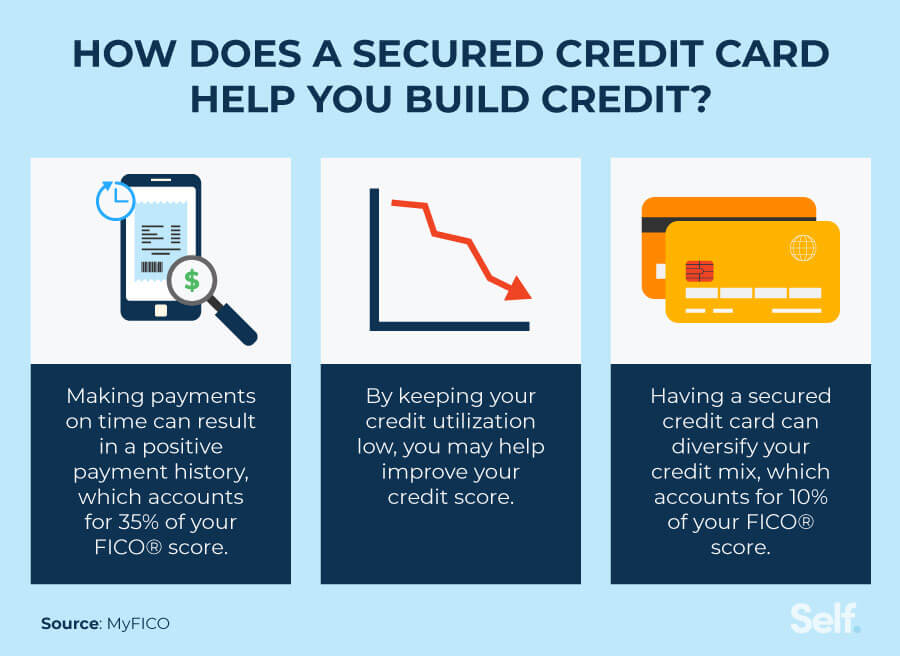
1. Payment History (35%)
Your track record of on-time payments is the biggest factor. Late payments, collections, and bankruptcies can lower your score.
2. Credit Utilization (30%)
This measures how much credit you’re using compared to your limits. Experts recommend keeping usage below 30%, ideally under 10%.
3. Length of Credit History (15%)
The longer your credit accounts have been open, the better it is for your score.
4. Credit Mix (10%)
Having a mix of credit types (credit cards, auto loans, mortgage, etc.) can help.
5. New Credit (10%)
Opening too many accounts in a short period can lower your score.
How to Improve Your Credit Score



4
Improving your credit score takes time, but these steps can help:
1. Pay Your Bills On Time
Even one late payment can impact your score. Consider setting up:
- Automatic payments
- Calendar reminders
- Payment alerts
2. Lower Your Credit Card Balances
Try to keep balances low relative to your credit limits. Paying down debt can quickly improve your score.
3. Avoid Opening Too Many Accounts
Each credit inquiry can slightly lower your score. Only apply for credit when necessary.
4. Check Your Credit Report for Errors
You’re entitled to free reports from the major bureaus. Look for:
- Incorrect late payments
- Accounts you don’t recognize
- Incorrect balances
Disputing errors can improve your score.
5. Keep Older Accounts Open
Closing old accounts can shorten your credit history and increase utilization.
Quick Credit Score Boost Tips
4
If you’re looking for faster improvement:
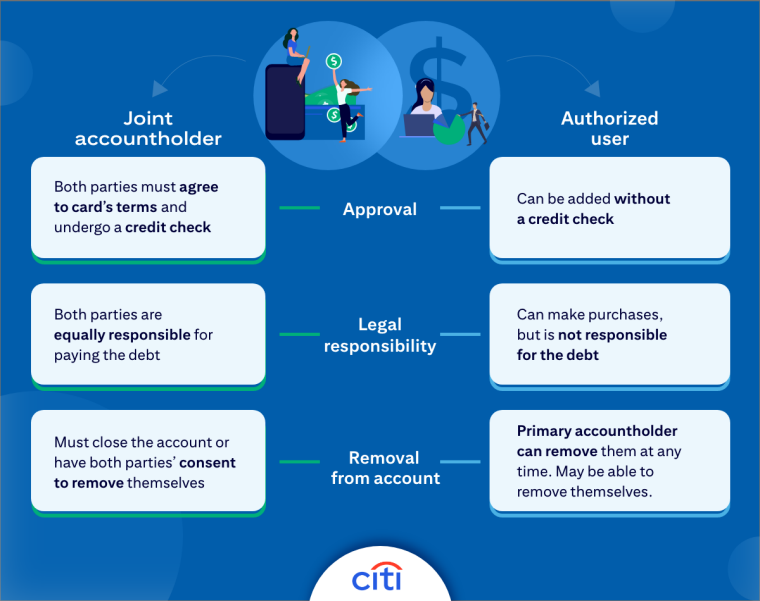
- Become an authorized user on a well-managed account
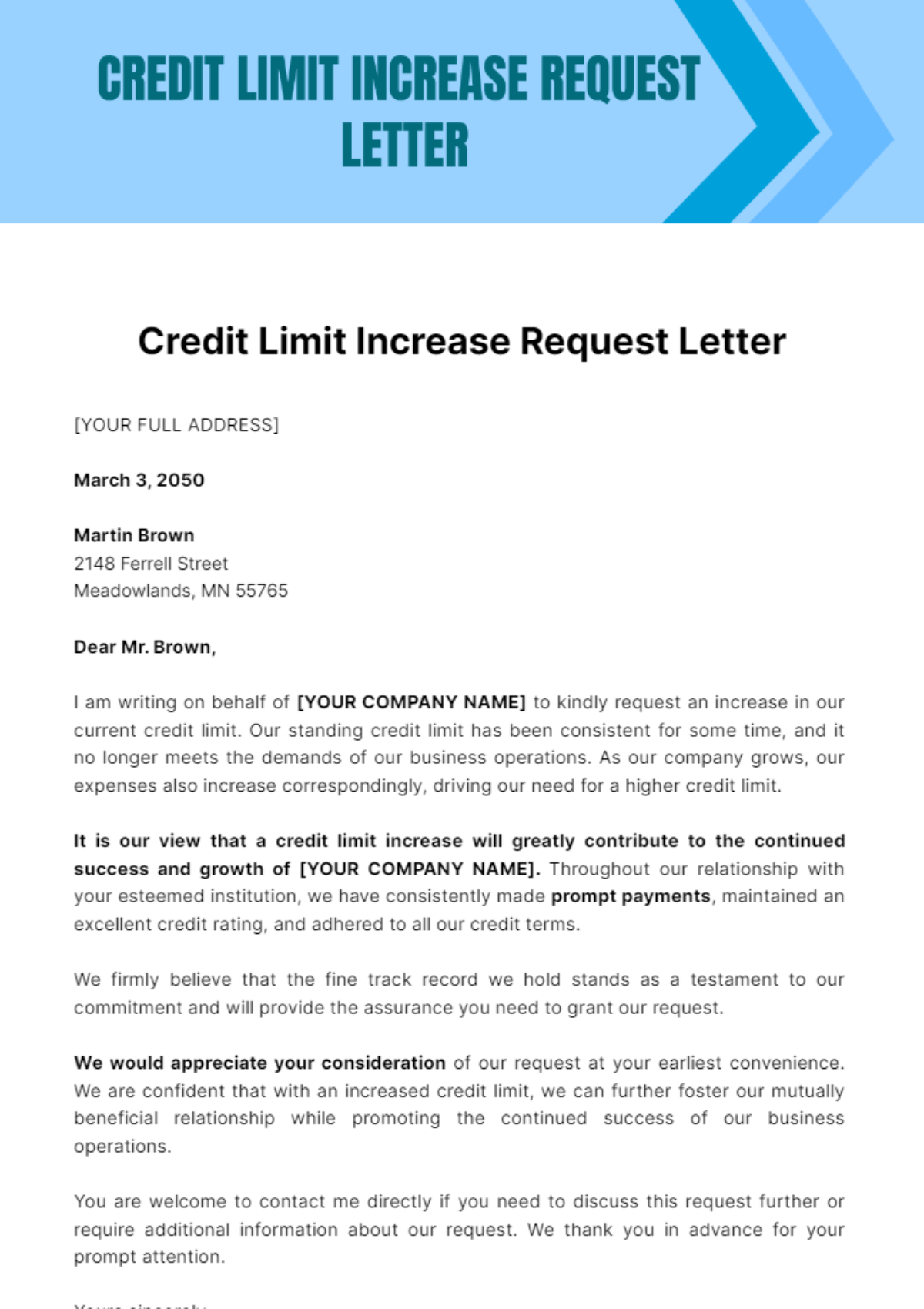
- Request a credit limit increase (without increasing spending)
- Pay balances before statement closing dates
- Consider a secured credit card if rebuilding credit
How Long Does It Take to Improve?
- Small improvements: 30–60 days
- Moderate improvement: 3–6 months
- Major rebuilding: 6–24 months
Consistency is the key. Credit scores reward steady, responsible financial behavior.
Why Your Credit Score Matters
A better credit score can help you:
- Qualify for lower mortgage rates 🏡
- Get approved for auto loans 🚗
- Reduce insurance costs
- Improve rental approvals
- Increase borrowing flexibility
Even a 20–40 point improvement can save thousands of dollars in interest over time.
Final Thoughts
Understanding your credit score is one of the most important steps toward financial stability. By paying on time, reducing debt, and monitoring your credit, you can steadily improve your score and unlock better financial opportunities.
A stronger credit profile doesn’t just help with loans — it helps you build long-term financial confidence and security.